

FIBC jumbo bags are more than industrial packaging products for storing and transporting bulk materials. For industries such as food, agriculture, minerals, chemicals, plastic resin, and construction materials, FIBC bags play an important role in supply chain safety, product protection, handling efficiency, and international transportation.
To manufacture an export-standard FIBC jumbo bag, every stage must be carefully controlled, from raw material preparation and PP yarn extrusion to fabric weaving, belt weaving, lamination, cutting, printing, sewing, quality inspection, packing, and container loading.
At Kanetora Bach Dang, the FIBC manufacturing process is standardized into 8 key steps to ensure product durability, safety, and compliance with international quality expectations.
How Are FIBC Jumbo Bags Manufactured?
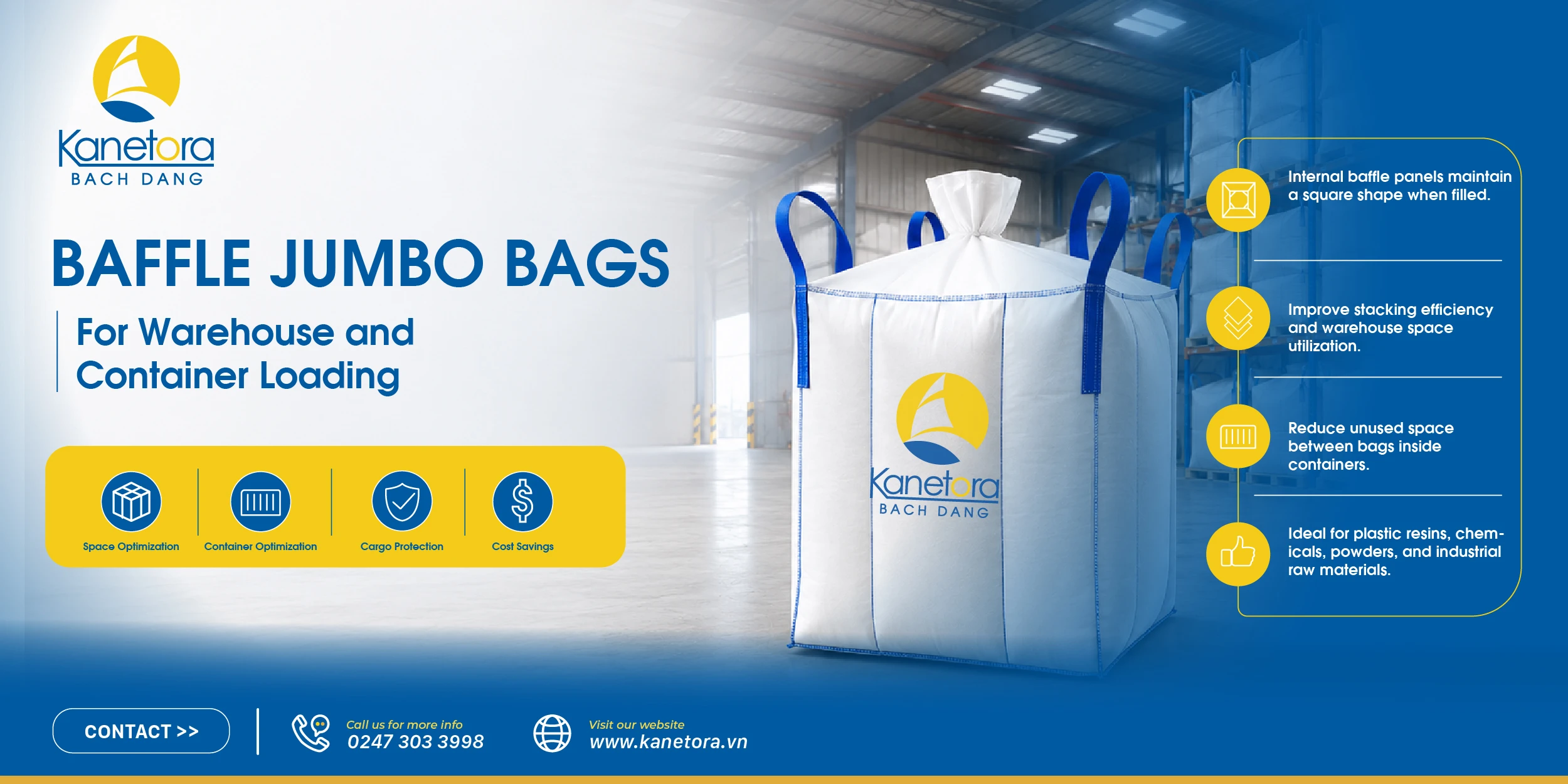
FIBC jumbo bags are commonly manufactured through 8 main steps: PP yarn extrusion, lifting belt weaving, fabric weaving, lamination or coating if required, cutting and printing, sewing, quality inspection, and final packing for shipment.
Depending on the bag structure, such as U-panel, 4-panel, circular, baffle, food-grade bag, dustproof bag, anti-static bag, coated bag, or bag with inner liner, the factory adjusts fabric weight, sewing method, coating requirement, liner type, lifting loop design, filling system, discharge system, and inspection standard accordingly.
Why Does the Manufacturing Process Matter for FIBC Bag Quality?
A jumbo bag may look simple from the outside, but it is designed to carry heavy loads, often from hundreds of kilograms to several tons. During actual use, the bag must withstand lifting force, stacking pressure, friction, vibration, warehouse conditions, and long-distance transportation.
That is why FIBC quality cannot be judged by appearance alone. A reliable jumbo bag depends on many technical factors, including PP yarn strength, fabric GSM, weaving density, lifting belt strength, cutting accuracy, sewing quality, coating consistency, liner performance, dustproof design, UV resistance, and overall quality control.
For export orders, a stable and traceable manufacturing process is especially important. International buyers usually require consistent quality between batches, accurate specifications, reliable packing, proper documentation, and strict inspection before shipment.
8-Step Export-Standard FIBC Jumbo Bag Manufacturing Process
1. PP Yarn Extrusion
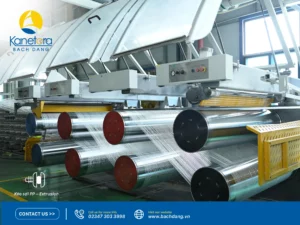
The first step in FIBC jumbo bag production is PP yarn extrusion. The main raw material is polypropylene resin, commonly known as PP. Depending on customer requirements, additives such as color masterbatch, UV stabilizers, or other functional additives may be added during production.
The PP resin is fed into the extrusion system, melted, formed into film, slit into tapes, stretched, and wound into yarn rolls. These PP yarns will then be used for fabric weaving and belt weaving.
This stage is critical because yarn quality directly affects tensile strength, load-bearing capacity, durability, and the overall performance of the finished FIBC bag.
2. Lifting Belt Weaving
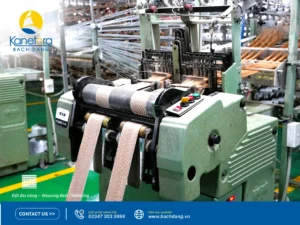
The lifting belt, also known as webbing, is one of the most important load-bearing components of an FIBC bag. It allows the bag to be lifted by forklift, crane, or handling equipment during filling, storage, and transportation.
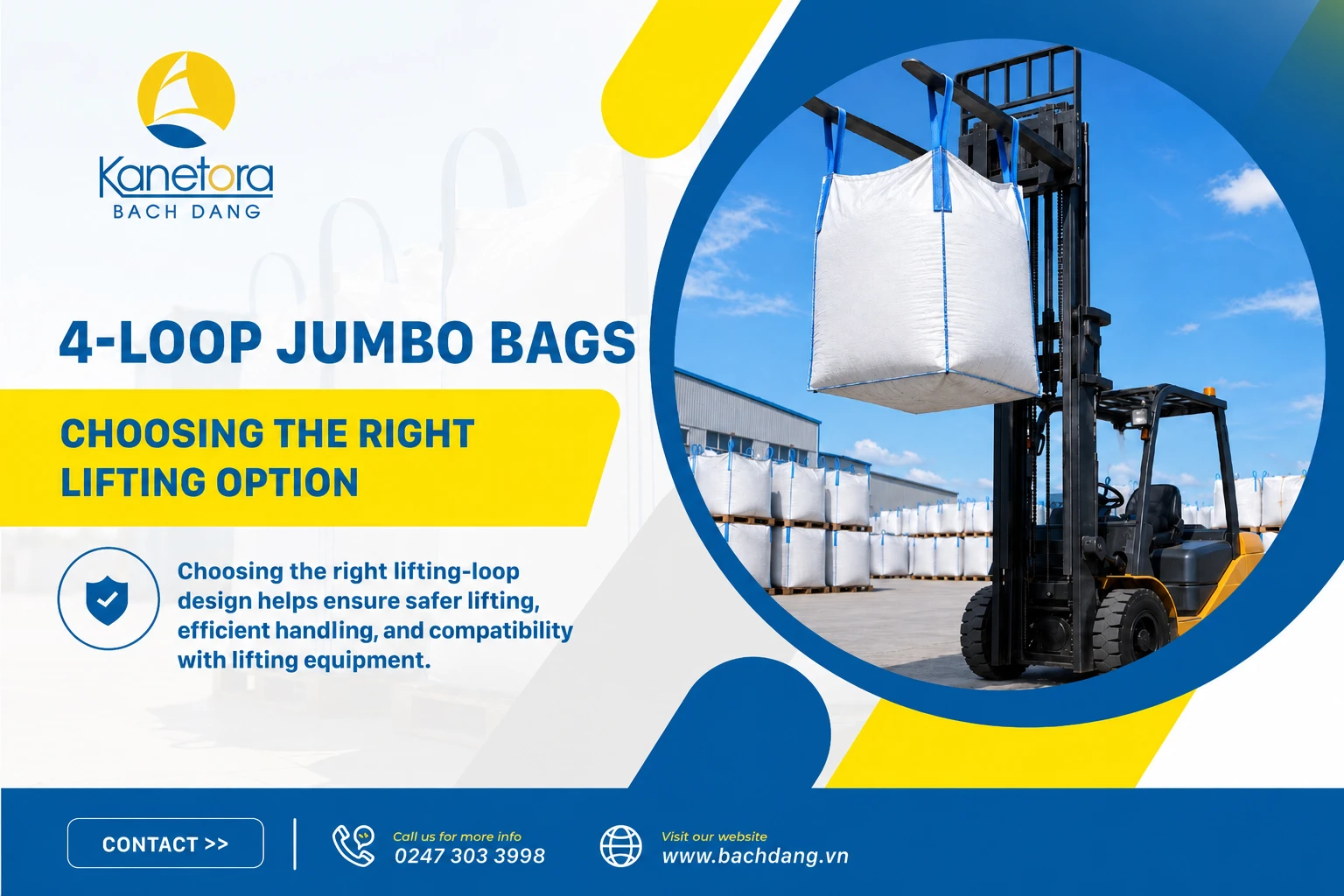
Depending on the design, FIBC bags may use corner loops, cross-corner loops, corner seam loops, stevedore loops, or customized lifting structures. The belt must meet specific requirements for width, thickness, color, material, and tensile strength.
In real production, belt weaving can run in parallel with fabric weaving to optimize lead time. However, from a complete manufacturing perspective, lifting belts are an essential semi-finished component before the sewing and assembly stage.
3. PP Woven Fabric Weaving
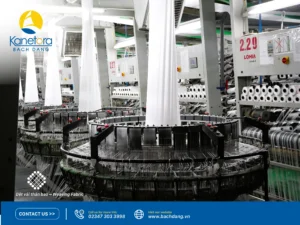
After the PP yarns are produced, they are woven into fabric. The fabric may be woven in tubular form for circular FIBC bags or in flat fabric form for U-panel, 4-panel, and baffle bag structures.
At this stage, key technical parameters must be controlled, including fabric GSM, fabric width, weaving density, tensile strength in warp and weft directions, and surface consistency.
Different parts of the FIBC bag may require different fabric specifications. Body fabric, top fabric, bottom fabric, spout fabric, baffle fabric, and reinforcement pieces may vary in GSM and construction depending on the required Safe Working Load, bag design, and application.
This is why two jumbo bags with the same nominal capacity may perform very differently if the fabric specification, yarn strength, or weaving quality is not properly controlled.
4. Lamination or Coating
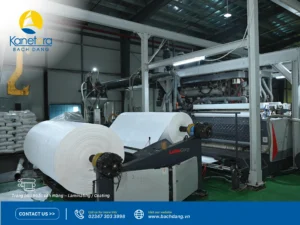
Not every FIBC bag requires lamination or coating. However, for products that need dust control, moisture resistance, or better product protection, PP woven fabric can be coated on one side or both sides.
The coating layer helps reduce gaps between woven tapes, minimize powder leakage, and improve protection for the material inside the bag. For industries such as fine chemicals, mineral powder, plastic additives, food powder, and other sensitive bulk materials, coating is often an important requirement.
Depending on the order, the bag may use gloss lamination, matte lamination, anti-skid lamination, inner coating, outer coating, or a combination of coated fabric and inner liner for enhanced dustproof and moisture protection.
5. Cutting and Printing
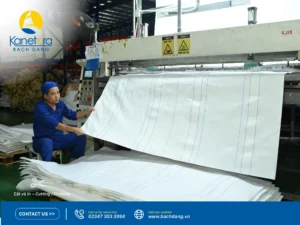
After the woven fabric meets the required specifications, it is cut according to the approved technical drawing. The cut components may include body panels, bottom panels, top panels, filling spouts, discharge spouts, baffle panels, reinforcement patches, document pouches, labels, and other accessories.
For orders requiring branding or technical information, printing is applied based on the approved artwork. This may include customer logos, item codes, handling instructions, safety warnings, product identification, and export markings.
Cutting and printing must be accurate in size, position, color, and layout. For export-standard FIBC bags, even small deviations in dimensions or printed information can affect filling, handling, customer inspection, and final acceptance.
6. Sewing and Assembly
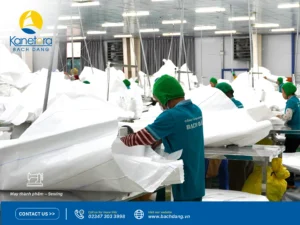
Sewing is the stage where all semi-finished components are assembled into a complete FIBC jumbo bag. Depending on the bag structure, workers sew the body, bottom, top, filling spout, discharge spout, lifting loops, document pouch, liner, baffle panels, and reinforcement parts.
Common sewing styles in FIBC production include lock stitch, chain stitch, and overlock. Each sewing type has a specific role in improving seam strength, preventing fraying, maintaining flexibility, and supporting the load-bearing performance of the bag.
This stage requires skilled workers and strict supervision. Critical points such as lifting loop attachments, bottom seams, corner seams, baffle seams, and discharge areas must be carefully controlled because they directly affect safety during lifting and transportation.
7. Quality Inspection and Cleaning
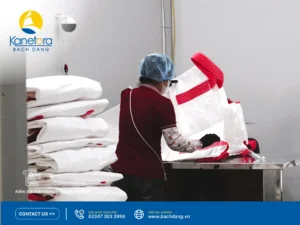
After sewing, every FIBC bag must go through quality inspection before packing. The inspection process may include checking dimensions, structure, sewing quality, lifting belts, filling system, discharge system, fabric surface, printing, labels, document pouch, liner placement, and other customer-specific requirements.
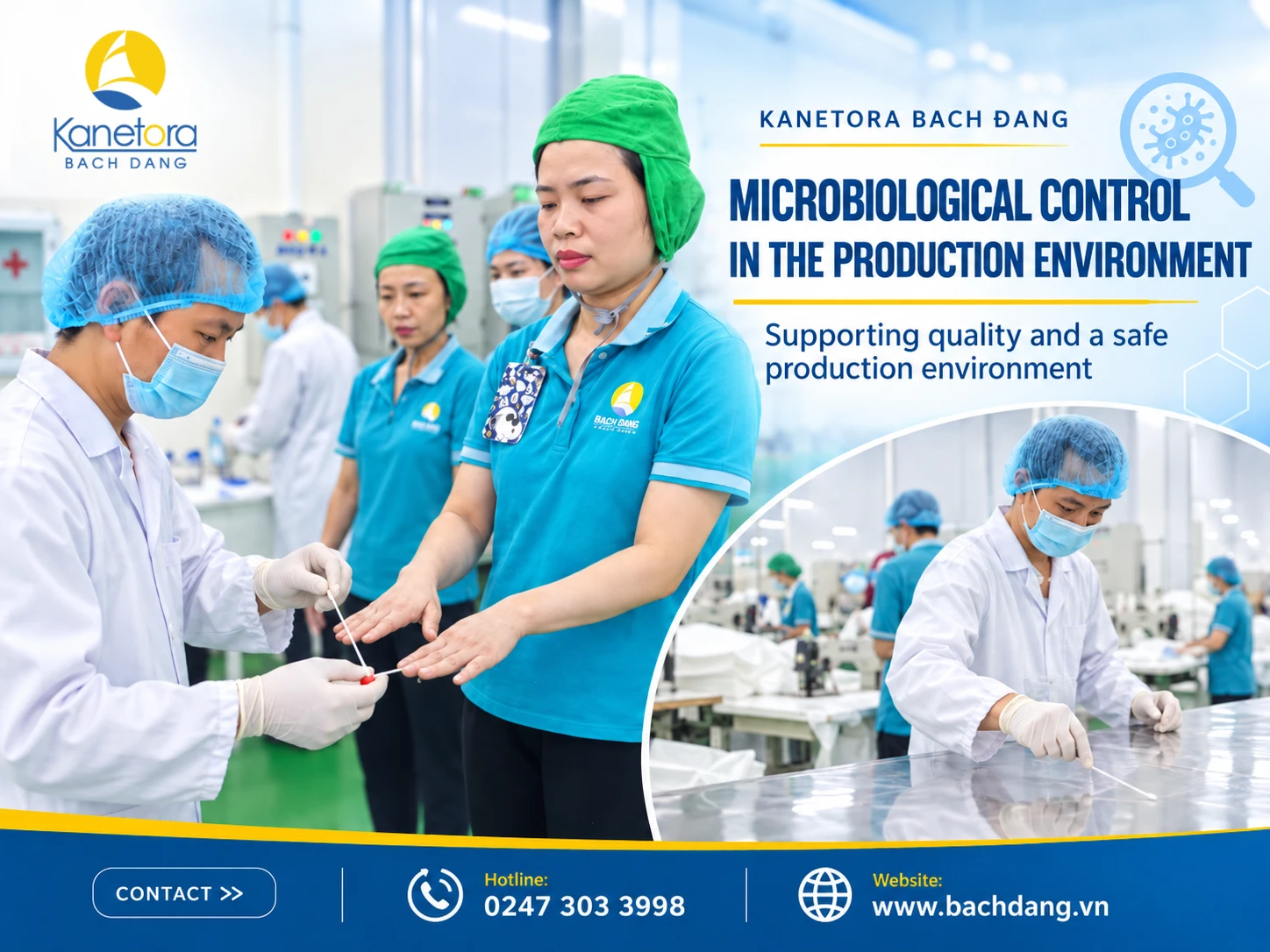
For high-standard orders, especially food-grade bags or bags with liners, additional cleaning and inspection steps may be required. These may include loose thread control, air blowing, dust removal, visual inspection, liner checking, metal detection, and foreign object control.
Quality control should not only happen at the final stage. In an effective FIBC manufacturing system, QC must be implemented throughout the production process, from raw material and yarn testing to fabric inspection, cutting control, sewing-line inspection, final inspection, and packing verification.
8. Packing, Warehousing, and Container Loading
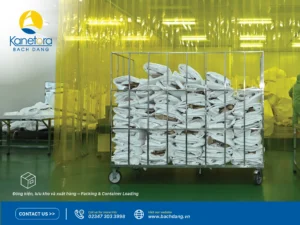
Once the FIBC bags pass inspection, they are folded, pressed, baled, palletized, or packed according to customer requirements. Packing methods may vary depending on the bag type, order quantity, container plan, shipping method, and buyer’s handling requirements.
At this stage, accurate item code management, bale labeling, quantity control, warehouse arrangement, and shipment preparation are essential to avoid mix-ups and ensure smooth dispatch.
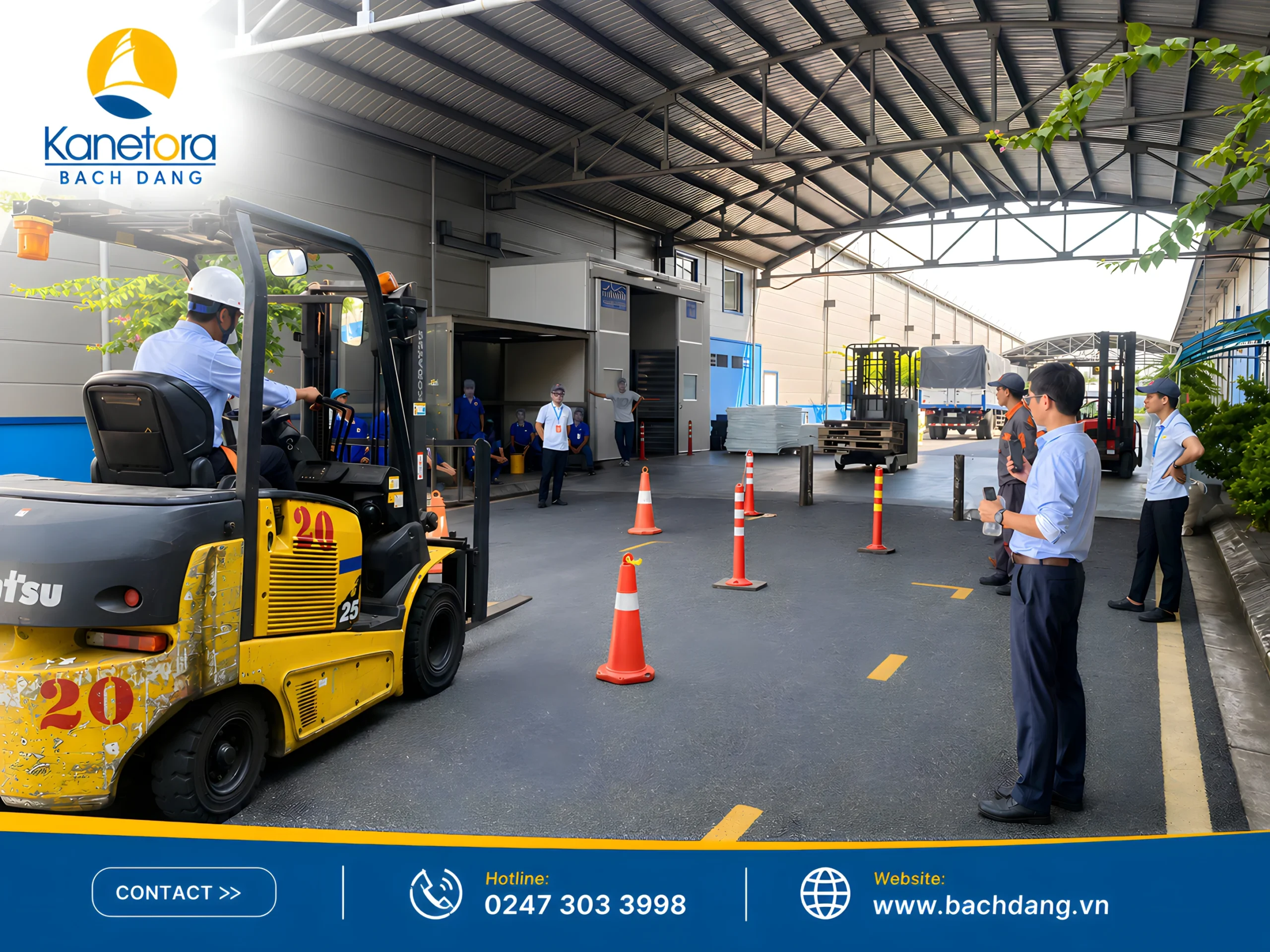
For export orders, proper packing helps optimize container loading, protect finished products during transportation, and support efficient receiving at the destination. Container loading is the final connection between factory production and international logistics, ensuring that goods are shipped in the right quantity, under the right item code, and according to the agreed schedule.
Key Specifications to Confirm Before FIBC Production
Before mass production, all technical details must be confirmed clearly between the customer and the manufacturer. Important specifications include:
- Bag construction: U-panel, 4-panel, circular, baffle, or sling bag.
- Safe Working Load: 500 kg, 1,000 kg, 1,500 kg, 2,000 kg, or customized capacity.
- Safety Factor: commonly 5:1, 6:1, or according to specific requirements.
- Top design: open top, duffle top, or inlet spout.
- Bottom design: flat bottom, discharge spout, conical discharge, or full open discharge.
- Fabric type: coated or uncoated.
- Liner requirement: standard liner, conductive liner, aluminum barrier liner, or customized liner.
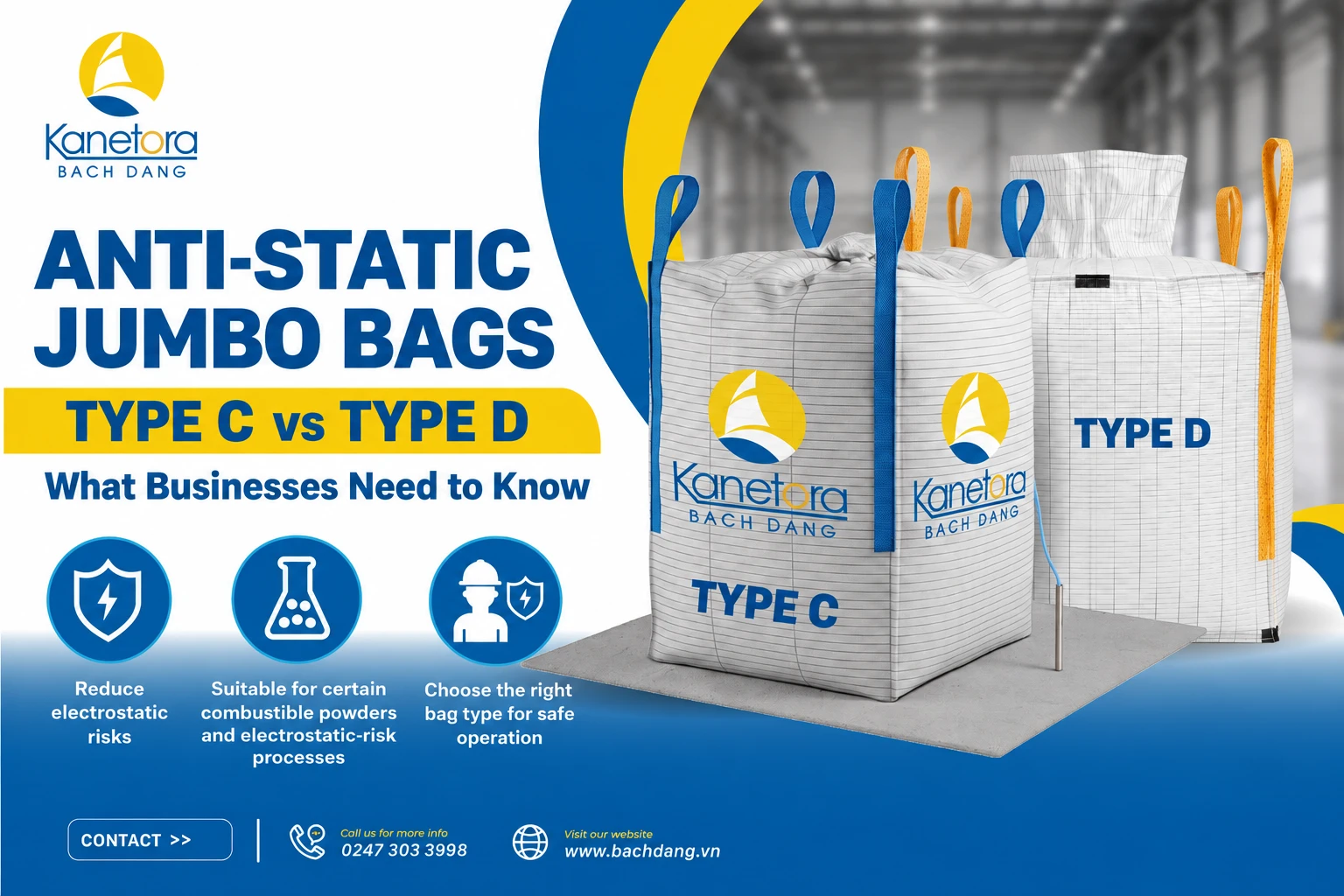
- Functional requirements: anti-UV, anti-static, dustproof, food-grade, or moisture protection.
- Printing requirement: logo, warning marks, handling instructions, item code, or traceability information.
- Packing method: bale packing, pallet packing, quantity per bale, and container loading plan.
Confirming these details before production helps reduce errors, improve production efficiency, and ensure that the finished bags match the customer’s actual application.
How Kanetora Bach Dang Controls FIBC Bag Quality
For export-standard FIBC jumbo bags, quality control is not limited to the final inspection stage. It is built into every step of the production process.
Kanetora Bach Dang operates a standardized production process including extrusion, belt weaving, fabric weaving, lamination, cutting and printing, sewing, inspection, and packing. The factory is equipped with production and quality-control systems for weaving, coating, cutting, sewing, cleaning, metal detection, liner checking, tensile testing, UV testing, and top lift testing.
For higher-standard applications, especially food-grade FIBC bags and bags used for sensitive materials, cleaning, dust control, foreign object prevention, liner inspection, and metal detection are key quality-control points.
This process helps ensure that finished products are consistent, safe, reliable, and suitable for both domestic and export markets.
Which Industries Use Export-Standard FIBC Jumbo Bags?
FIBC jumbo bags are widely used across many industries.
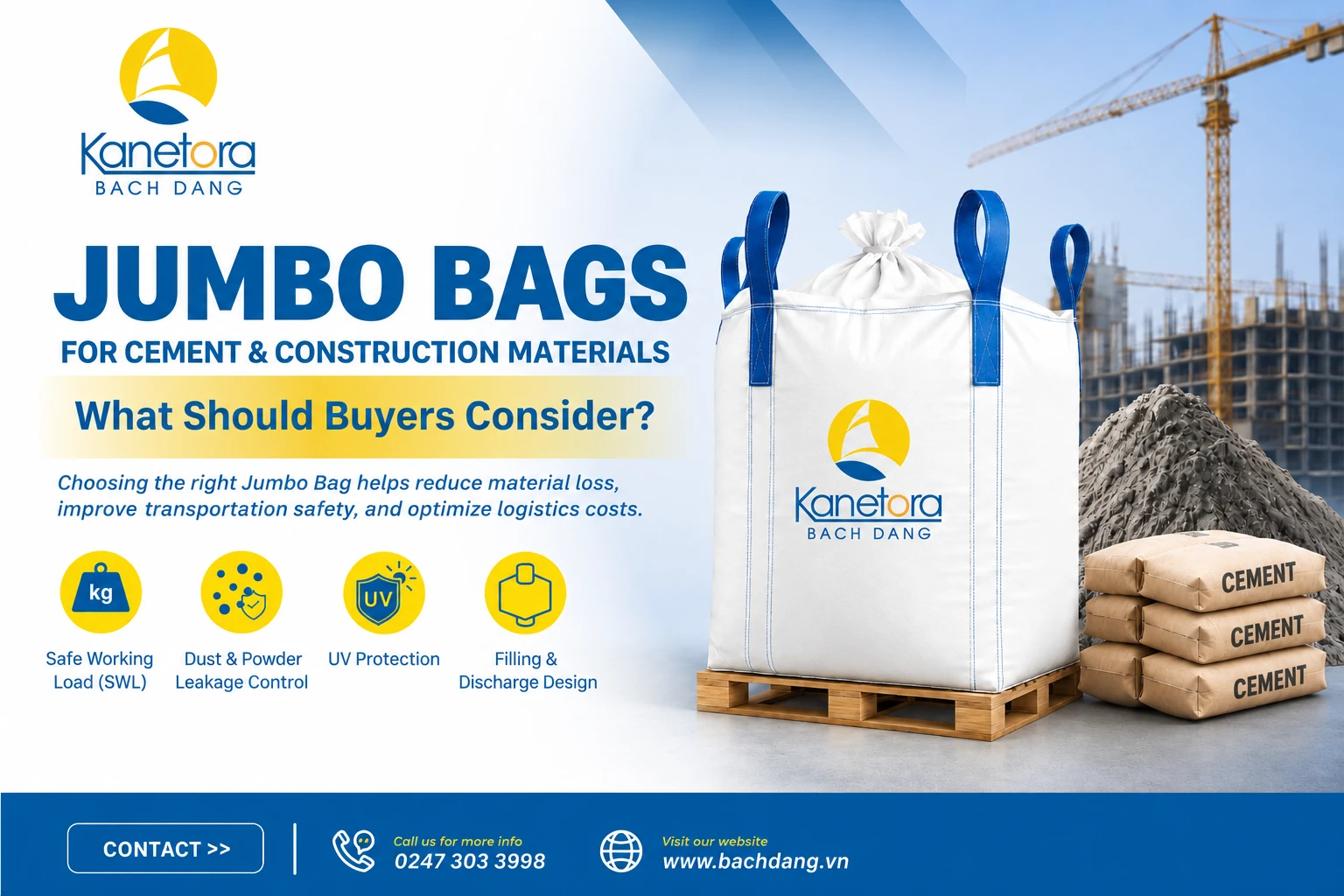
For food and agricultural products, the bags must support hygiene, cleanliness, contamination control, and sometimes food-grade liner requirements. For minerals and construction materials, the focus is on strength, load-bearing capacity, tear resistance, and handling durability. For plastic resin and chemical products, customers may require dustproof design, moisture protection, anti-static properties, UV resistance, or a specific discharge structure.
Because each industry has different handling and storage conditions, a reliable FIBC manufacturer must be able to customize bag specifications based on the customer’s product, filling method, discharge method, warehouse conditions, and transportation requirements.
Conclusion
The export-standard FIBC jumbo bag manufacturing process is a connected system that starts from PP raw materials and ends with inspected, packed, and shipment-ready finished products. Each stage, including extrusion, fabric weaving, belt weaving, lamination, cutting, printing, sewing, quality inspection, and packing, directly affects the bag’s strength, safety, cleanliness, and international usability.
With a standardized production process, in-house manufacturing capability, quality-control systems, and flexible customization, Kanetora Bach Dang provides FIBC jumbo bag solutions designed for different industries and export requirements.
For businesses looking for a reliable FIBC bag manufacturer in Vietnam, understanding the production process is an important step in selecting the right packaging partner.
FAQ – FIBC Jumbo Bag Manufacturing Process
What are FIBC jumbo bags made of?
FIBC jumbo bags are mainly made from polypropylene, also known as PP. Depending on the application, the bag may include coated fabric, PE or PP liner, UV additives, anti-static materials, conductive components, labels, document pouches, and other customized accessories.
What are the main steps in the FIBC manufacturing process?
The main steps include PP yarn extrusion, lifting belt weaving, fabric weaving, lamination or coating, cutting and printing, sewing, quality inspection, and final packing for shipment.
Do all FIBC bags need coating?
No. Coating is not required for every FIBC bag. It is usually added when the product needs dust control, powder leakage reduction, or better moisture protection. For stronger protection, coated fabric can also be combined with an inner liner.
Why is sewing quality important in FIBC bags?
Sewing quality directly affects bag strength and safety. Critical sewing areas such as lifting loop attachments, bottom seams, side seams, baffle seams, and discharge spouts must be carefully controlled to ensure safe lifting and transportation.
What should be inspected before FIBC bags are shipped?
Before shipment, FIBC bags should be inspected for dimensions, fabric quality, sewing strength, lifting loops, filling and discharge systems, printing accuracy, labels, liner placement, cleanliness, packing quantity, and customer-specific requirements.
Can FIBC jumbo bags be customized?
Yes. FIBC bags can be customized by structure, size, Safe Working Load, Safety Factor, fabric GSM, coating, liner, top design, bottom design, lifting loop type, color, printing, packing method, and industry-specific requirements.
What industries commonly use FIBC jumbo bags?
FIBC jumbo bags are commonly used in food, agriculture, minerals, construction materials, plastic resin, chemicals, animal feed, fertilizers, pharmaceuticals, and other bulk material industries.