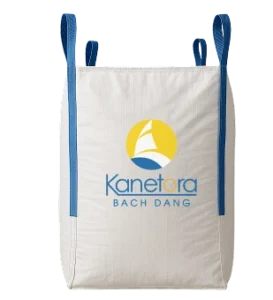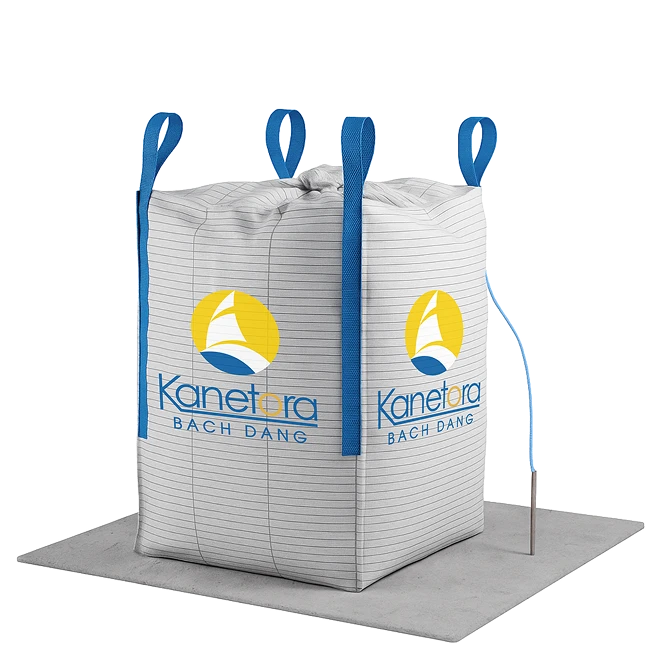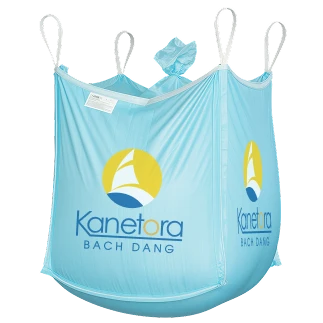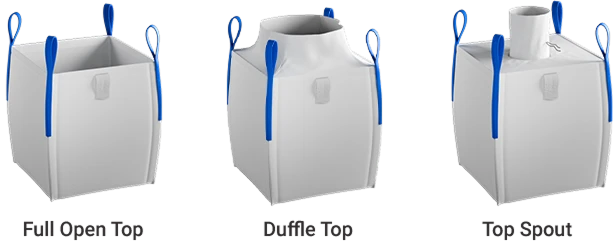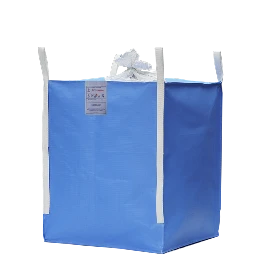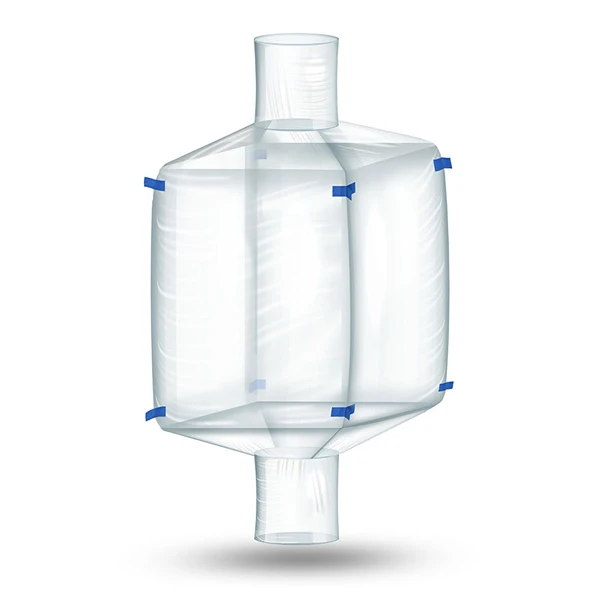


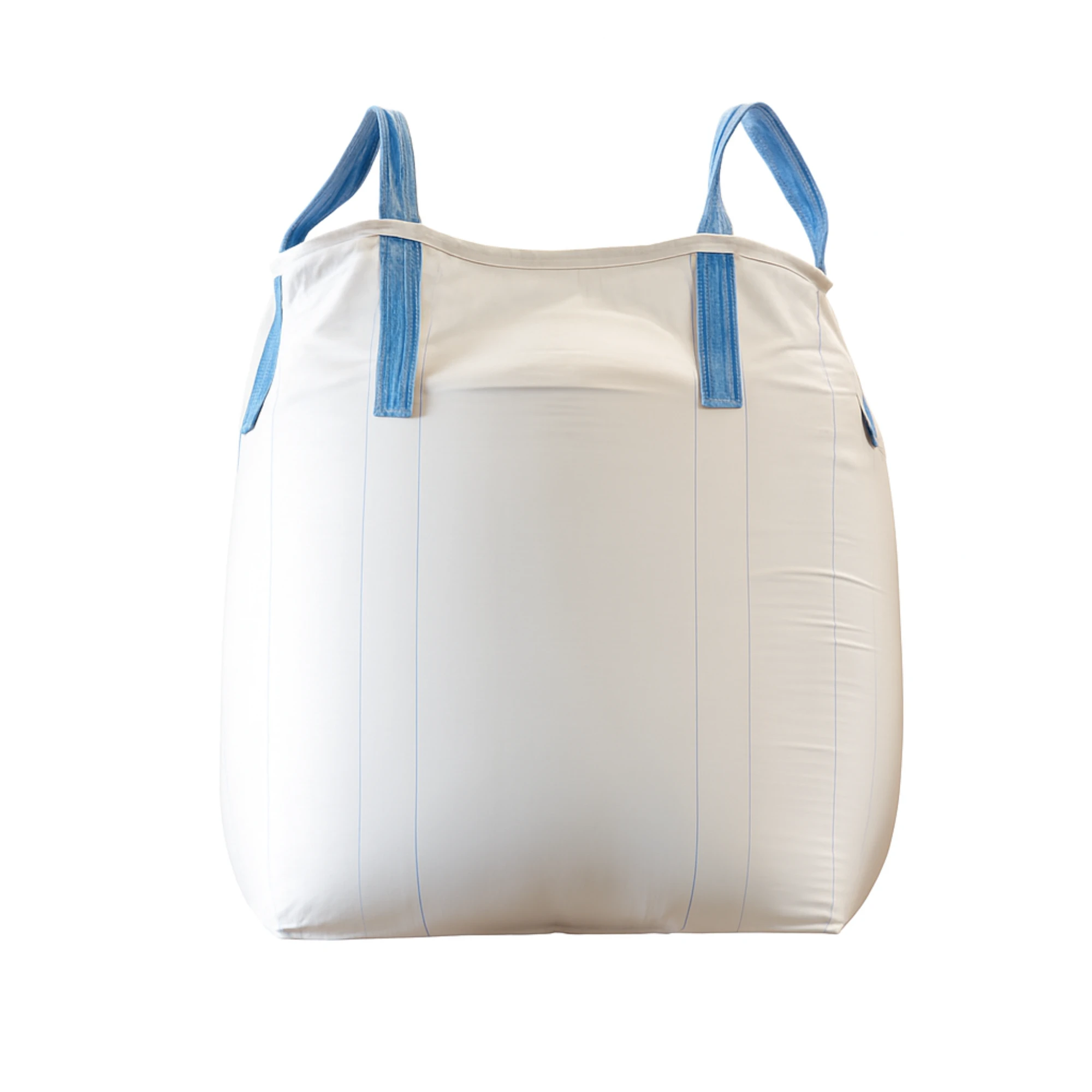
Circular FIBC bags, also known as tubular bags, are among the most common and economical designs in the big bag family. They are constructed using two main components: the body tube and the base.
Key Structural Features
- Seamless Tubular Fabric: The body is woven into a continuous tubular fabric, forming all four side walls without vertical seams.
- Minimal Stitching: Stitching is only required at the top and bottom, reducing the number of seams compared to other bag types.
- Shape When Filled: Although the fabric is tubular, the bag expands into a square or rectangular shape when filled. However, it holds a square shape less effectively than 4-panel or U-panel bags, tending to bulge slightly into a rounded form.

Key Advantages
- Superior Strength and Durability
- The seamless body eliminates vertical seams, which are common weak points in other designs.
- This reduces the risk of tearing or seam failure, making circular bags ideal for heavy loads, fine powders, and flowable materials.
- Space-Saving Storage
- When empty, circular bags fold flat and stack compactly, requiring less storage space compared to more rigid designs.
- Ease of Handling
- The flexible design allows for smoother filling, discharging, and lifting using standard equipment like forklifts or pallet jacks.
- Cost-Effectiveness
- The simpler manufacturing process (fewer seams) lowers production costs.
- Ideal for high-volume orders, offering excellent value per unit.
- Reusable multiple times with proper care.
Common Applications
Circular FIBC bags are widely used across various industries, including:
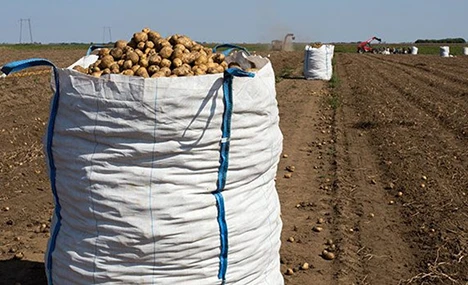
- Agriculture: Storing grains, seeds, fertilizers, and animal feed.
- Construction: Transporting sand, gravel, aggregates, and other bulk building materials.
- Food Industry: Packing sugar, flour, starch, and other dry food products (using food-grade certified bags).
- Chemicals & Minerals: Containing plastic pellets, powders, and minerals (can be combined with Type B, C, or D antistatic fabrics when required).